
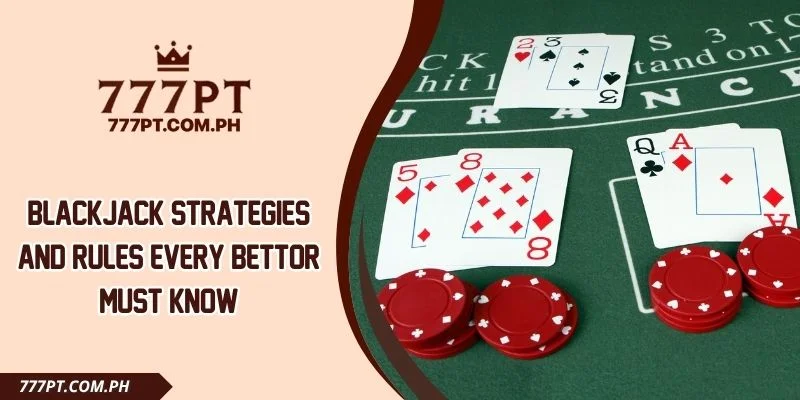
Blackjack is a timeless card game where strategy meets anticipation. As a staple of casinos worldwide, it offers a dynamic mix of luck and calculated risk. With simple rules but deep layers of tactics, the game attracts new players and seasoned gamblers alike. Whether you’re sharpening your skills or diving in for the first time, 777PT brings you the ultimate guide to understanding and mastering this iconic game.
The anatomy of Blackjack a look inside the game

In blackjack, the goal is simple: beat the dealer without going over 21. Players start with two cards and decide whether to hit (take another card), stand (keep their hand), double down, or split. The dealer also plays under strict rules, often hitting until reaching 17. This structure creates tension and strategy every round.
The dealer in blackjack operates under rigid guidelines, which means their actions are predictable to an extent. Dealers typically must hit on 16 or less and stand on 17 or higher. These rules might seem rigid, but they offer insight that skilled players use to their advantage. For instance, knowing the dealer is likely to bust when showing a low-value upcard can influence your choice to stand instead of hitting, increasing your chances of winning a hand.
Aces are the most versatile cards in blackjack and often the most powerful. The ability to count as either 1 or 11 allows them to shape soft hands, hands that can’t bust with one hit. For example, an ace and a 6 is a soft 17, which gives players more flexibility. This dual nature can dramatically change decisions during a game, especially when used alongside strategic doubling down or in split hands involving pairs of aces.
Key strategies to improve your performance
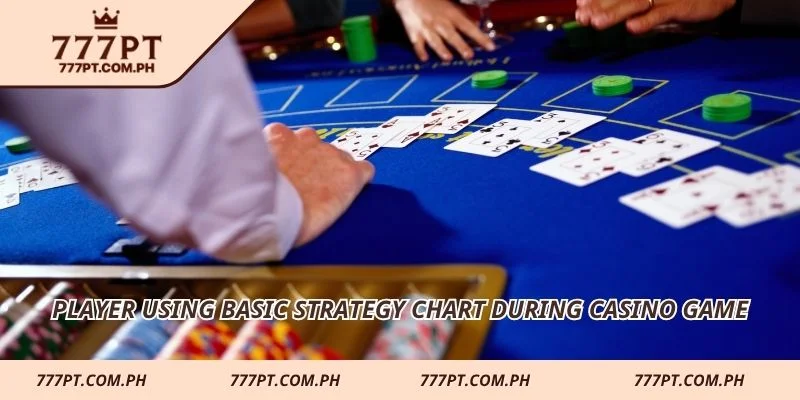
Even though luck plays a role, the game is one of the few casino games where skill significantly affects outcomes. Employing smart strategies can turn the tide in your favor. Here are several critical approaches every player should know and apply consistently.
Mastering basic blackjack strategy charts
Basic strategy in the casino game is a mathematical approach to deciding the best move for any hand against the dealer’s upcard. These strategy charts tell you exactly when to hit, stand, split, or double. They minimize the house edge to around 0.5% when followed perfectly. Though memorizing them can be daunting at first, consistent use leads to better decisions and improved results, especially over long playing sessions.
Knowing when to split and double down
Knowing when to split pairs and double your bet can transform mediocre hands into winning opportunities in blackjack. For example, always split aces and eights, but never split tens or fives. Doubling down is most effective when you’re holding a total of 10 or 11 and the dealer shows a low card. These moves let you capitalize on favorable odds and maximize winnings from strong positions.
Avoiding common mistakes beginners make
Many players sabotage themselves in blackjack by making emotionally driven decisions. One common error is taking insurance, a side bet that statistically favors the house. Another is failing to manage their bankroll, often chasing losses or increasing bets irrationally. Sticking to your game plan, applying strategy, and remaining calm are key habits to avoid these frequent pitfalls and sustain success.
Advanced tactics for experienced players
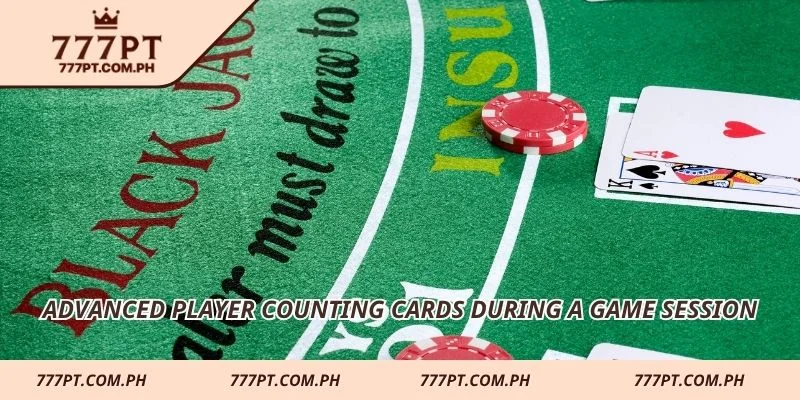
Once you’ve grasped the basics, the game opens the door to more sophisticated tactics. These techniques aren’t about luck, they rely on observation, psychology, and calculation. Experienced players often edge out the house through careful, rule-abiding methods that push probability in their favor.
Introduction to card counting methods
Card counting is a legendary but legal technique in blackjack that helps players track the ratio of high to low cards left in the deck. Popular systems like the Hi-Lo assign values to cards, allowing players to increase bets when the remaining deck is rich in tens and aces. While casinos frown upon it and may ban counters, it’s not illegal. Used properly, card counting can shift the house edge in the player’s favor by up to 1%.
Reading dealer behavior and betting patterns
Observation goes a long way in blackjack. While dealers follow strict rules, their habits and tendencies can reveal subtle cues. Some may consistently shuffle at certain points or show physical signals that hint at a strong or weak hand. Additionally, experienced players pay attention to betting trends at the table, timing their bets based on deck flow or collective player confidence, to optimize opportunities.
Tracking which cards have been played can give players an edge, even without formal counting. For example, recognizing when high cards are likely to appear can guide decisions on whether to hit, stand, or double down. Players also observe how others react to hits or busts, using that insight to gauge table rhythm.
In some cases, a shift in player behavior might suggest a cold deck. Over time, sharp observation develops into instinct, helping bettors react faster and more accurately in high-pressure situations.
The psychology of winning and bankroll discipline
Emotional control separates amateurs from professionals in blackjack. Chasing wins, playing on tilt, or betting erratically often leads to losses. Successful players maintain a bankroll strategy, set loss limits, and walk away at predetermined profit goals. The psychological edge means staying focused under pressure, recognizing when to pause, and avoiding the lure of “just one more hand.”
View more: Baccarat – Guide How to play and win with confidence
Conclusion
With its perfect blend of simplicity and depth, blackjack continues to captivate betting enthusiasts around the world. The game rewards both the novice learning basic strategy and the expert applying advanced techniques. Whether you’re playing online or in person, the thrills of this classic game never fade. For players seeking a smart, skill-based challenge, the game is second to none, and 777PT is your trusted companion in mastering every hand.





